As people on the autism spectrum grow older, their needs change. Many elderly autistic adults face new health, mobility and social challenges while still needing the behavioral, communication and routine supports that helped them earlier in life. An Elderly Autism Rehabilitation Center bridges the gap between geriatric care and lifelong autism support—offering medical follow-up, therapies, daily-life coaching and social inclusion in one place.
Below is a clear, step-by-step look at what such a center in Dhaka should offer, why it matters, and how families can benefit.
Why an elderly autism rehabilitation center is important
Autism is a lifelong condition. Older adults on the spectrum commonly face sensory differences, anxiety, communication gaps and sometimes co-existing conditions (hearing loss, mobility issues, dementia risk).
Traditional old-age homes are usually not equipped for autism-specific needs (structured routines, sensory-friendly spaces, staff trained in autism communication).
A center that blends geriatric medicine + autism-aware therapies improves safety, independence and quality of life.
Real-life example: an autistic man in his 60s who grew up with a strict daily routine may become anxious after surgery. A rehab center that maintains familiar routines and provides gentle cognitive therapy helps him recover faster and reduces distress.
Core services an Elderly Autism Rehabilitation Center in Dhaka should provide
- Comprehensive intake & assessment Medical, behavioral and functional assessment on arrival.
Review of lifelong autism profile, communication style, sensory triggers and medication history.
Individualized care plan co-created with family and treating physicians. - 24/7 trained caregiving Caregivers trained in autism communication techniques (simple language, visual cues, patience).
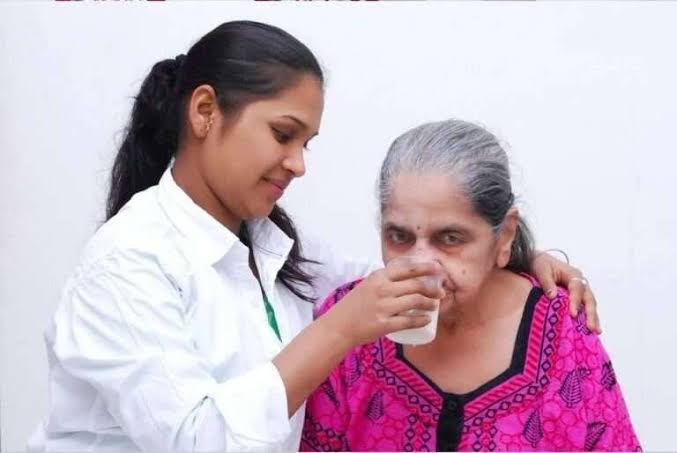
Support for daily living: bathing, dressing, medication, stoma care (if needed), fall prevention. - Geriatric medical supervision Regular GP/physician checkups, medication review, chronic disease management (diabetes, heart disease).
Linkage to specialists (neurology, cardiology, psychiatry) when required. - Behavioral & psychological support Autism-aware psychologists and behaviour therapists.
Anxiety management, coping strategies, gentle desensitization for sensory issues.
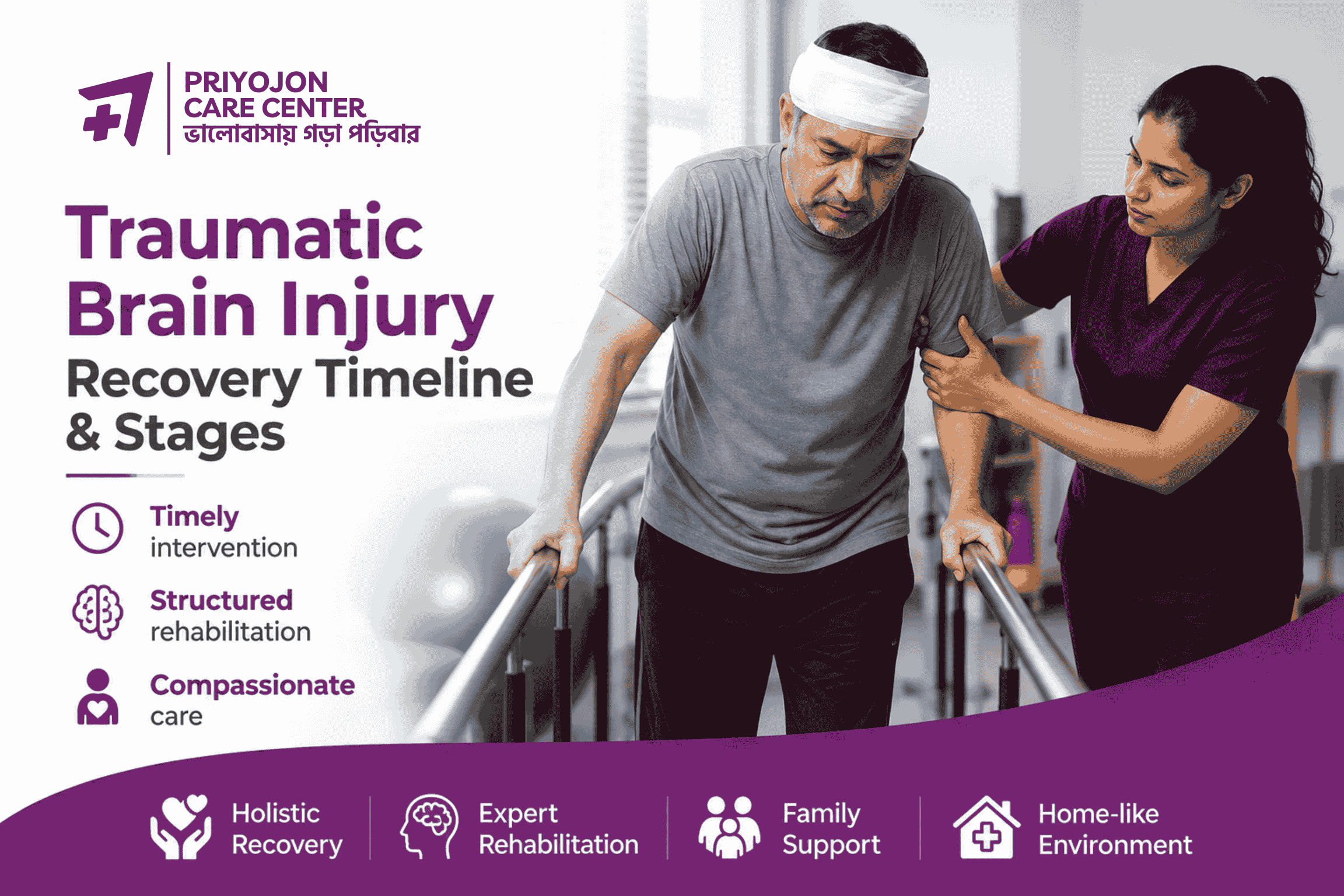
Family counselling and carer training sessions. - Rehabilitation & physiotherapy Daily physiotherapy for mobility, balance and fall prevention.
Occupational therapy to preserve independence (adaptive tools, energy conservation). - Speech & communication therapy Support for those with reduced verbal skills: augmentative and alternative communication (AAC), simple visuals, routine charts.
Swallowing assessments for those with feeding difficulties. - Cognitive & memory care Screening and support for mild cognitive decline; structured memory routines.
Activities tailored to ability level (reminiscence, music therapy, tactile activities). - Daily-life skill training Cooking basics, safe mobility in the compound, personal hygiene routines adapted to abilities.
Emphasis on dignity and choice. - Sensory-friendly environment Quiet rooms, reduced bright lighting, low-noise zones, predictable daily schedules.
Staff use visual timetables and calm transitions. - Respite & day-care options Short-term stays for families who need a break or to test suitability before long-term admission.
Day programmes that combine therapy and supervised social time. - Family involvement & home transition planning Regular updates, family training on routines, and coordinated discharge plans.
Benefits for families and residents
Safety: fewer medication errors and better fall prevention because caregivers know both geriatric and autism needs.
Stability: routine-based care reduces anxiety and challenging behaviours.
Holistic recovery: combining physiotherapy, medical follow-up and autism-aware therapy shortens recovery after illnesses or surgery.
Peace of mind: clear reporting, family training and 24/7 monitoring reduce family stress—especially for families living abroad.
What to look for when choosing a center in Dhaka
- Staff trained in both autism and geriatric care.
- Evidence of individualized care plans and routine-based programming.
- Safe building access, low sensory-stimulus spaces and emergency protocols.
- Onsite or linked medical support (GP, physiotherapy, psychiatry).
- Transparent fees, visiting policy and reliable communication (WhatsApp updates, photos, weekly reports).
- Positive family references and visible daily activities.
A suggested care pathway (example)
- Initial assessment (medical + autism profile) → 2. Individual care plan → 3. Short trial stay / day-care → 4. Regular therapy schedule (physio, speech, psych) → 5. Family training & discharge plan → 6. Long-term review every 3 months.
Priyojon Care & Wellness Center — Dhaka location & contact
For families searching locally, look for centres near hospitals and transport.
Priyojon Care Center — 93 Kazi Nazrul Islam Avenue, Dhaka-1215.
Phone: 01994-888999 | Website: www.priyojon.care
(Use these contacts to ask about autism-specialized services, trial days and caregiver training.)
elderly autism rehabilitation Dhaka, autism care for seniors Dhaka, memory and autism care Bangladesh, senior autism support Dhaka, Priyojon autism rehab, autism-friendly geriatric care.